Humane Bird and Bat Deterrent Methods for Large Buildings
People seeking humane bird and bat deterrent methods for large buildings aim to prevent damage and safety hazards, and local service providers can help implement effective, humane solutions.
Visitors exploring humane bird and bat deterrent methods for large buildings are in the right place to find practical solutions tailored to their needs. Large structures often attract these animals, which can lead to issues such as property damage, health concerns, and disruptions to building operations. Property owners in the area may consider humane deterrent methods as an effective way to manage these challenges responsibly, ensuring the safety of the animals while protecting their property. Continuing to read can provide valuable insights into how local contractors specialize in humane bird and bat deterrent methods, offering options that balance humane treatment with effective property management.
Understanding the options available for humane bird and bat deterrent methods for large buildings can help property owners make informed decisions. Local service providers are equipped to handle these projects with solutions designed to discourage animals from roosting or nesting without causing harm. By exploring the services offered by these local contractors, property owners can find guidance on humane, non-invasive methods to maintain their buildings’ integrity and health. Keep reading to learn more about how experienced professionals can assist in implementing effective and humane deterrent strategies.
- Bird and Bat Deterrent Installation - Building managers seeking humane methods to prevent bird and bat roosting on large structures can rely on local contractors experienced in humane deterrent installation.
- Exclusion and Barrier Services - Property owners noticing bird or bat entry points on expansive buildings often turn to local pros for humane exclusion techniques that prevent access without harm.
- Bird and Bat Deterrent Maintenance - Large building owners needing ongoing protection from bird and bat issues may contact local service providers for humane deterrent upkeep and adjustments.
- Habitat Modification Solutions - When large buildings attract unwanted bird and bat populations, local contractors can implement humane habitat modifications to discourage nesting and roosting.
- Integrated Pest Management Consulting - Building supervisors looking for humane, effective solutions to large-scale bird and bat problems often consult local experts for tailored deterrent strategies.
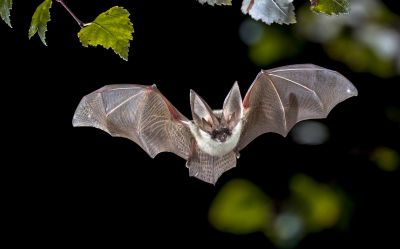
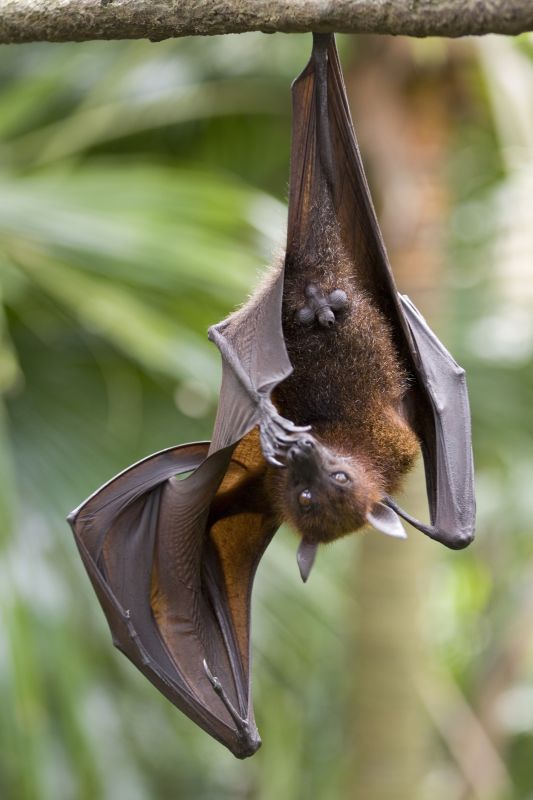
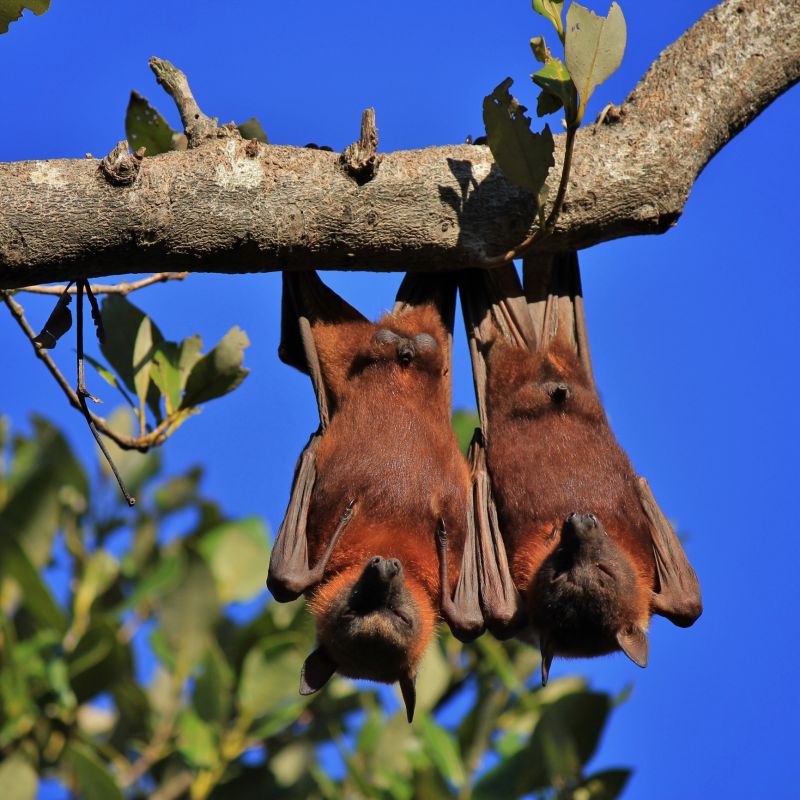
When people search for humane bird and bat deterrent methods for large buildings, they are typically looking for ways to prevent these animals from roosting, nesting, or gathering on their properties without causing harm. This concern often arises from issues like bird droppings accumulating on roofs and ledges, bats nesting in building eaves, or large flocks causing noise and sanitation problems. Property owners may also be interested in protecting the structural integrity of their buildings or maintaining a clean and safe environment for occupants and visitors. Understanding humane deterrent methods is essential for those seeking effective solutions that prioritize animal welfare while addressing these challenges.
These concerns are often connected to plans for building maintenance, pest management, or property management strategies. Large buildings such as commercial offices, warehouses, hospitals, and educational institutions frequently encounter bird and bat activity due to their size and architectural features. These properties often have extensive rooflines, ledges, or open spaces that serve as attractive roosting spots. Property managers and building owners might look for humane deterrent options to comply with regulations, avoid property damage, or reduce health risks associated with animal droppings and nesting materials. Local service providers specializing in humane bird and bat deterrent methods can help develop tailored plans that fit the unique features of each property.
Large buildings present specific challenges when it comes to deterring birds and bats humanely. Their size and structural complexity can make it difficult to implement effective deterrent measures without disrupting operations or damaging the property. Common issues include birds nesting on rooftops, bats roosting in eaves or vents, and large flocks gathering in open areas. These situations often require specialized equipment or techniques, such as bird netting, visual deterrents, or exclusion devices designed to be humane. Local contractors familiar with humane methods understand how to adapt solutions to large-scale properties, ensuring that the deterrent strategies are both effective and respectful of animal welfare.
Humane bird and bat deterrent methods for large buildings are typically carried out by service providers who focus on non-lethal, humane techniques. These professionals assess the specific property features, animal activity, and potential entry points, then recommend solutions that discourage animals from settling without causing injury or stress. They often install physical barriers, such as bird netting or exclusion doors, and utilize visual or auditory deterrents that are safe for wildlife. For property owners considering these humane options, working with experienced local contractors ensures that the deterrent methods are properly implemented, compliant with regulations, and tailored to the building’s unique needs. This approach helps maintain a safe, clean, and animal-friendly environment for large properties.
Bird exclusion projects involve installing physical barriers and deterrents on large buildings, requiring planning and specialized tools similar to humane bird deterrent methods.
Bat habitat modification work focuses on humane exclusion techniques that prevent bats from roosting in structures, aligning with the skills used in humane bat deterrent services.
Building retrofit projects that incorporate bird and bat deterrent systems demand detailed planning and the use of various tools, paralleling the approaches used by local contractors in humane deterrent methods.
Wildlife-proofing services involve installing humane deterrents to prevent birds and bats from nesting in large structures, sharing techniques and planning strategies with humane bird and bat deterrent projects.
Roof and facade bird-proofing projects require precise installation of deterrent devices to protect buildings from avian and bat intrusion, similar to methods employed in humane deterrent services.
Structural modification projects aimed at preventing wildlife entry involve planning and tools comparable to those used in humane bird and bat deterrent methods for large buildings.
When evaluating service providers for humane bird and bat deterrent methods for large buildings, experience with similar projects is an important factor to consider. Contractors who have a proven track record in handling large-scale bird and bat deterrent installations are more likely to understand the unique challenges that come with sizable structures. By reviewing the types of buildings they have worked on and the solutions they have implemented, homeowners can gain confidence that the contractor is familiar with the specific requirements of humane deterrent methods and can deliver effective results.
Clear written expectations are essential to ensure that both parties have a shared understanding of the scope and approach of the project. Service providers should be able to articulate their recommended strategies, the steps involved, and the anticipated outcomes in a way that is easy to understand. This clarity helps prevent misunderstandings and sets the stage for a smooth process. Homeowners should look for providers who are transparent about their methods and willing to outline what the project entails from start to finish.
Reputable references and good communication are also key considerations. Contractors who can provide references from previous clients demonstrate a history of reliable service and successful project completion. Good communication throughout the process ensures that homeowners can ask questions, express concerns, and receive timely updates. This level of engagement helps foster trust and confidence that the service provider is attentive to the homeowner’s needs and committed to delivering humane bird and bat deterrent solutions that are appropriate for large buildings.
Property owners often search for humane bird and bat deterrent methods for large buildings when they are planning practical projects around their homes and businesses. Local pros provide Humane Bird and Bat Deterrent Methods services for everyday jobs and straightforward project options.
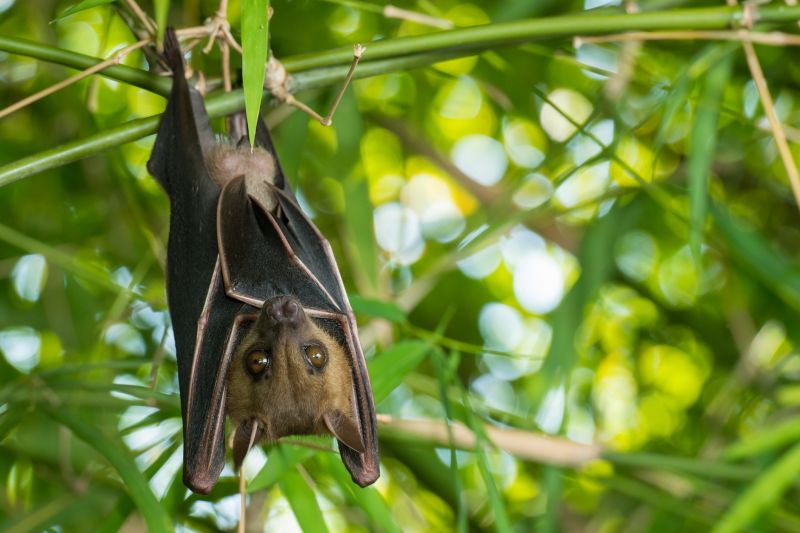
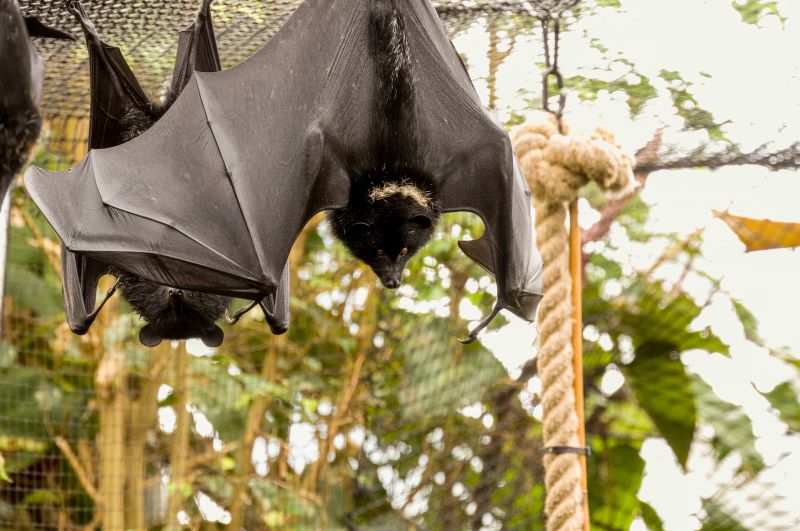
In many urban and commercial areas, large buildings often attract birds and bats, leading property owners to seek humane deterrent methods. These situations might include unwanted roosting or nesting that causes noise, debris, or potential health concerns, prompting a need for effective solutions. Local contractors specializing in humane bird and bat deterrent methods can provide practical options that discourage these animals without harm, helping maintain a clean and safe environment while respecting wildlife.
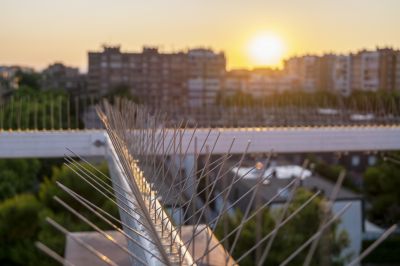
Property owners considering humane bird and bat deterrent methods for large buildings may look into services that offer non-invasive, environmentally sensitive approaches. These professionals can assess the specific needs of a property and recommend strategies such as bird spikes, netting, or exclusion devices that prevent animals from nesting or roosting. Connecting with experienced service providers ensures that deterrent methods are implemented correctly, reducing future issues and supporting a humane approach to managing wildlife around large structures.
What are humane bird and bat deterrent methods for large buildings? Humane bird and bat deterrent methods for large buildings include installing visual or auditory devices, bird spikes, netting, and other non-lethal techniques that discourage roosting or nesting without harming the animals.
How do local service providers implement humane bird and bat deterrent methods? Local service providers assess building structures and wildlife activity to recommend and install humane deterrent solutions tailored to each site, ensuring effective and ethical bird and bat management.
Are humane deterrent methods effective for large buildings? Yes, when properly installed by experienced professionals, humane deterrent methods can effectively reduce bird and bat presence on large buildings without causing harm to the animals.
What types of humane bird and bat deterrent devices are used on large buildings? Common devices include bird spikes, visual scare devices, sound deterrents, and exclusion netting, all designed to prevent roosting and nesting while being safe for wildlife.
How can I find local contractors who specialize in humane bird and bat deterrent methods? To locate qualified service providers, search for local contractors experienced in humane bird and bat deterrent methods for large buildings through online directories or service comparison platforms.
Bird and Bat Deterrent Device Installation - Property owners can work with local contractors to install humane deterrent devices that discourage birds and bats from roosting on large building exteriors.
Exclusion and Barrier Methods - Using humane exclusion techniques, local service providers can help seal entry points and apply barriers to prevent birds and bats from accessing building interiors.
Visual and Auditory Deterrent Solutions - Local pros can set up humane visual and sound deterrents that make large buildings less attractive to birds and bats, encouraging them to relocate naturally.
Habitat Modification Strategies - Property owners might collaborate with local contractors to modify surrounding environments, reducing attractants and promoting humane bird and bat deterrent practices.
If you are thinking about humane bird and bat deterrent methods for large buildings for a property, this guide is meant to help you understand this topic, the typical project types, and how different options might fit your plans.
When you are ready, you can use the quote form on this page to share a few details about your project. From there, local pros can review the basics and follow up with options that match what you have in mind.